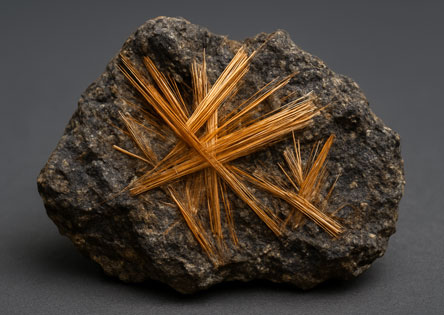
Dev International is a trusted supplier and exporter of high-quality Rutile (TiO₂) — a naturally occurring mineral composed primarily of titanium dioxide. Rutile is known for its brilliant metallic luster, high refractive index, and excellent stability, making it a key raw material in various industrial applications.
Our Rutile is sourced from reliable mineral deposits and processed under strict quality controls to ensure consistent purity and particle size. With its exceptional whiteness, opacity, and UV resistance, Rutile is widely used in the production of titanium dioxide pigments, welding electrodes, refractory ceramics, and titanium metal.
Rutile (TiO₂) is one of the most important titanium minerals used globally across a wide range of industries due to its exceptional chemical stability, high titanium dioxide content, and brilliant optical properties. Its primary application lies in the production of titanium dioxide pigments, which are renowned for their superior whiteness, opacity, and brightness. These pigments are extensively used in the paint, coating, plastic, rubber, paper, ink, textile, and cosmetic industries, where they impart durability, UV resistance, and a high-quality finish to products. The titanium dioxide derived from Rutile ensures excellent coverage, color retention, and non-toxicity, making it an indispensable material in both industrial and consumer applications.
In the welding industry, Rutile plays a crucial role as a coating material for shielded metal arc welding electrodes. Its inclusion enhances arc stability, improves slag formation, ensures easy slag removal, and provides a smooth, uniform weld bead appearance. Electrodes containing Rutile are especially favored for mild steel fabrication and general engineering applications due to their consistent welding performance and clean results.
Rutile also serves as a key raw material in the metallurgical and chemical industries, where it is used in the chlorination process to produce titanium tetrachloride (TiCl₄)—an essential intermediate for manufacturing titanium metal and titanium dioxide pigments. Titanium metal extracted from Rutile is widely utilized in aerospace, automotive, marine, and medical sectors for its strength, lightweight nature, and exceptional corrosion resistance. The mineral’s chemical stability also makes it valuable in producing catalysts, ferric chloride, and other titanium-based compounds.
In the ceramics and refractory sectors, Rutile is employed to improve the strength, color, and thermal resistance of products such as ceramic tiles, porcelain, glazes, and refractory bricks. It enhances the visual appeal of ceramic surfaces while increasing their durability and resistance to high temperatures. Furthermore, Rutile finds niche applications in optical and electronic industries, where its high refractive index and dielectric properties are harnessed for the production of specialty glass, optical lenses, and advanced electronic components.
Emerging applications of Rutile include its use in nanotechnology and renewable energy. Finely processed Rutile nanoparticles are being utilized in photocatalytic coatings, solar cells, and self-cleaning materials, contributing to sustainable innovations. Additionally, in the cosmetic industry, ultra-fine Rutile is used in sunscreens and skincare formulations as a safe and effective UV-blocking agent.
Overall, Rutile’s versatility, purity, and functional properties make it a highly demanded industrial mineral. Whether in pigment production, welding electrodes, metallurgy, ceramics, or advanced materials, Rutile remains an essential raw material driving innovation and performance across multiple sectors.
Available in 25 kg / 50 kg HDPE bags or jumbo bags, customized as per client requirements
Used as the primary raw material for manufacturing TiO₂ pigments that provide whiteness and opacity in paints, coatings, plastics, papers, and inks.
Acts as a flux material in electrode coatings to improve arc stability, slag formation, and weld quality.
Serves as a feedstock for the production of titanium metal and alloys used in aerospace, automotive, and medical applications.
Adds strength, thermal resistance, and durability to ceramic glazes, tiles, and refractory bricks.
Used in specialized glass formulations due to its high refractive index and UV-absorbing properties.

