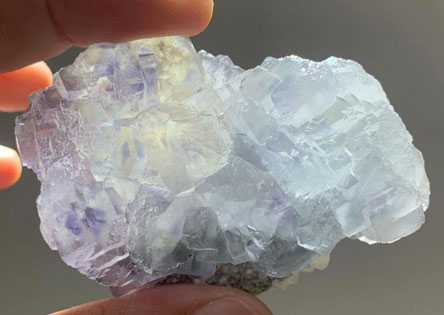
Fluorspar, scientifically known as fluorite, is a mineral composed of calcium fluoride (CaF₂). It exhibits a cubic crystal structure and is renowned for its vibrant colors, ranging from deep purples and blues to greens and yellows. These characteristics make it both an industrial resource and a collector’s gem.
The term “fluorspar” originates from the Latin word “fluere,” meaning “to flow,” highlighting its early use as a flux in metal smelting to lower melting points. While ancient civilizations valued fluorspar for its decorative appeal, its industrial significance was recognized during the Industrial Revolution, notably in steel and aluminium production.
Fluorspar isn’t just another mineral; it’s a corner “stone” of modern industry. It plays a vital role in the production of steel, aluminum, and glass – materials that form the backbone of our infrastructure, transportation, and everyday life. The demand for these products is only set to increase as urbanization proceeds, making fluorspar an increasingly valuable commodity. Fluorspar is commercially classified into three main grades based on purity and intended use.
This high-purity fluorspar contains over 97% CaF₂ and is primarily utilized in the chemical industry for producing hydrofluoric acid, a precursor to various fluorine-containing compounds. Also known as Acidspar, is emerging as a key component in various stages of the battery supply chain.
Metallurgical grade fluorspar accounts for approximately 35 to 40% of total fluorspar production with the principal applications being in steel production and cement. With a lower purity, this grade is used as a flux in steelmaking to remove impurities and enhance fluidity and in other metal smelting processes as cosolvent and slag discharge agent.
Ceramic-grade fluorspar is a calcium fluoride (CaF₂) mineral concentrate with 85-95% purity, used as a flux in the manufacturing of glass, ceramics, and enamels to lower melting temperatures, increase clarity and strength, and improve surface gloss and thermal resistance. It provides benefits like better workability, reduced energy consumption, and enhanced durability in the finished products, making it essential for sanitaryware, tiles, decorative glass, and specialty glass.

